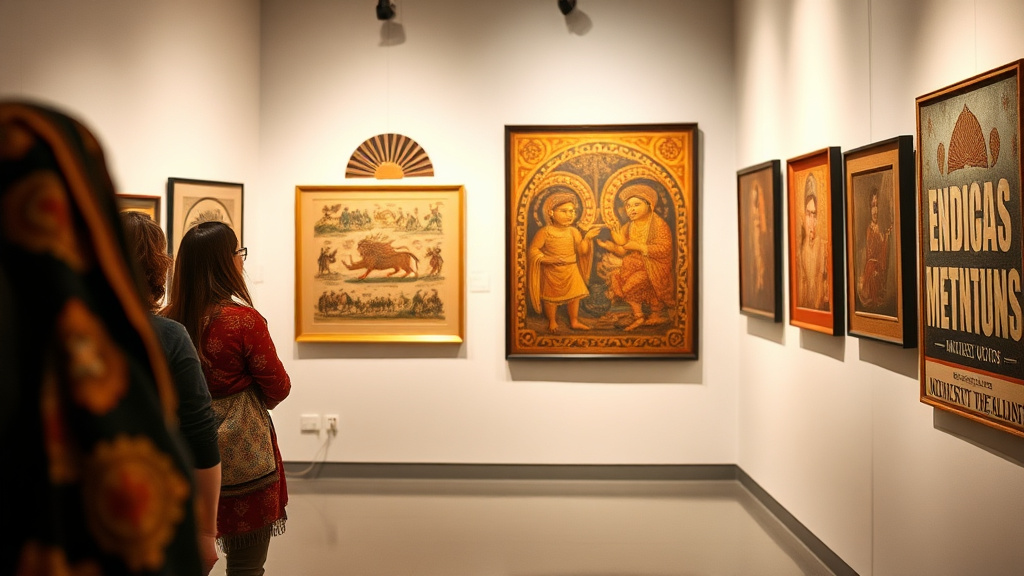
Indigenous art forms have historically been underrepresented in the international cultural sphere, yet a significant change is underway. Prominent museums around the world are now featuring indigenous artworks and cultural pieces from indigenous communities, raising these pieces from relative anonymity to global recognition. This article investigates how intentional curatorial practices are transforming views of indigenous creativity, giving practitioners unprecedented platforms while promoting mutual appreciation. Discover the profound impact these exhibitions have on indigenous peoples and the global artistic community.
Worldwide Museum Initiatives Showcasing Indigenous Art
Major international museums have become key forces for aboriginal creative recognition, reshaping how global audiences perceive traditional creative practices. Prestigious institutions across North America, Europe, and Asia are allocating substantial exhibition space to aboriginal works, moving beyond tokenistic displays to in-depth exhibitions. These platforms provide Native creators with significant prominence, allowing their works to compete for attention established modern and traditional art forms. The Smithsonian, Louvre, and Metropolitan Museum of Art have each established Native art collections, reflecting institutional commitment to this artistic revival and creating standards for inclusion.
The strategic placement of indigenous art within major museum frameworks has substantially changed market dynamics and critical reception. Curators now partner with indigenous communities, guaranteeing genuine representation and suitable cultural perspective for displayed works. This partnership model respects intellectual property rights and traditional knowledge while generating educational possibilities for visitors worldwide. Museums progressively view indigenous artists as key figures to global contemporary art discourse, not merely historical or anthropological subjects. Such museum recognition has produced increased collector interest, higher artwork valuations, and expanded career opportunities for indigenous creators globally.
Cultural Importance and Modern Influence
Museum showcases of indigenous art forms go beyond aesthetic appreciation; they embody heritage conservation and cultural advancement. These platforms validate indigenous knowledge and creative traditions that have nurtured indigenous communities for generations. By presenting indigenous works alongside Western art, museums disrupt established hierarchies and illustrate the universal relevance of indigenous creativity. This acknowledgment enhances cultural pride within communities while educating international viewers about diverse artistic traditions and their significant spiritual and social meaning.
Traditional Techniques Engage Contemporary Viewers
Modern museum exhibitions connect ancestral creative traditions and contemporary viewers, fostering substantive conversations across generations. Indigenous artists increasingly employ traditional techniques while tackling contemporary themes, rendering their work resonant with modern audiences. Museum professionals partner with indigenous communities to share genuine stories and frame artworks appropriately. This partnership model confirms that exhibitions respect cultural protocols while making indigenous art available for global audiences who may encounter these traditions for the first time.
The incorporation of digital tools in museums further enhances indigenous art’s influence and visibility. Engaging exhibits, digital collections, and digital media allow visitors to discover the narratives, methods, and cultural backgrounds behind each artwork. These innovations attract younger audiences while maintaining cultural heritage through innovative documentation. Museums now function as dynamic spaces where native artists actively interact with visitors, conveying lived experiences and showcasing time-honored practices, creating transformative educational experiences.
- Indigenous artists achieve international recognition and market opportunities
- Museums record and protect at-risk cultural practices and techniques
- Communities oversee their cultural stories and representation authentically
- Young indigenous people rediscover traditional artistic legacy proudly
- Global audiences cultivate deeper appreciation for indigenous cultural contributions
Difficulties and Growth Potential
Despite increasing awareness, indigenous artists encounter substantial challenges in sustaining their careers through gallery shows. Limited funding for indigenous art programs, inadequate representation in curatorial decisions, and the commercialization of sacred cultural practices remain persistent challenges. Additionally, many indigenous communities lack institutional support to record and maintain traditional techniques. Museums must address these systemic barriers by allocating greater resources, employing indigenous curatorial staff, and establishing ethical guidelines that respect cultural protocols while ensuring fair payment for artists and communities.
Looking ahead, the future of indigenous art in international museums presents immense opportunity for significant transformation. Emerging technologies enable online showcases reaching worldwide viewers, while strategic collaborations between museums and indigenous organizations strengthen community voice. Learning programs can foster understanding for indigenous aesthetics among next-generation audiences. By prioritizing authentic representation, supporting artist development programs, and recognizing indigenous intellectual property rights, institutions can create sustainable pathways that honor cultural heritage while empowering indigenous creators to flourish in the contemporary art world.
