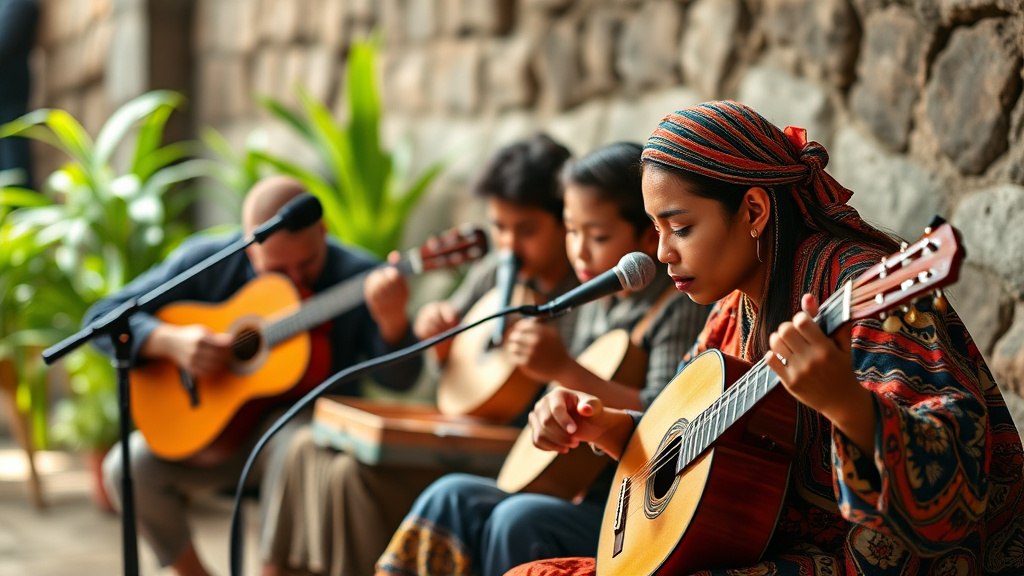
For decades past, traditional orchestral music has been considered as an elite pursuit, available mainly to wealthy populations with resources and proximity to established venues. However, a revolutionary worldwide movement is dismantling these limitations. Forward-thinking musical training programs are now providing ensemble training, guidance and support, and intensive instruction to marginalized areas across regions, empowering young people who formerly had no route to classical music. This article examines how groups across the globe are spreading musical achievement, changing lives, and reshaping the future of classical music itself.
Worldwide Growth of Music Education Programs
The landscape of classical music training is undergoing a significant transformation as organizations globally recognize the deep impact of accessible training programs. From Latin America to Southeast Asia, innovative programs are establishing music schools, orchestras, and mentoring systems in communities traditionally shut out of classical music access. These programs leverage both conventional instruction and modern technology, enabling gifted student performers to develop their skills regardless of geographic location or financial situations. The expansion demonstrates a core change in how the classical music world perceives its obligation to cultivate talent universally.
Major international organizations and community-based groups are collaborating to create long-term musical learning ecosystems in underrepresented areas. Programs such as El Sistema in Venezuela, now replicated across multiple continents, show that structured, affordable instruction can reshape whole populations. These initiatives provide not only music instruction but also group performance skills, chances to perform, and routes toward career careers. By supporting community-level music programs, these organizations are developing varied musician pipelines while also enhancing cultural life in marginalized communities, proving that artistic achievement goes beyond socioeconomic boundaries.
Technology has become a catalyst for unprecedented expansion, allowing remote instruction, virtual performances, and global collaboration among young musicians. Online platforms link students in remote villages with master teachers from renowned orchestras, eliminating geographic isolation. Simultaneously, local communities are establishing their own cultural institutions, creating orchestras and concert halls that function as foundations for music education. This decentralized approach ensures that classical music becomes integrated into local cultures while preserving international standards of excellence and creating genuine pathways for talented youth worldwide.
Addressing Challenges and Developing Enduring Programs
Establishing enduring classical music learning in underrepresented communities requires thoughtful planning that confront entrenched challenges. International institutions are developing comprehensive solutions that integrate monetary assistance, community partnerships, and creative instructional approaches. By setting up local infrastructure and securing long-term financial support, these efforts confirm that opportunities for classical music learning transforms into a permanent fixture rather than a fleeting effort. Progress relies on understanding each community’s specific obstacles and tailoring programs accordingly, creating substantive opportunities for young musicians regardless of financial circumstances.
Infrastructure and Resource Expansion
Building basic infrastructure establishes the cornerstone of available music education programs. Many disadvantaged areas don’t have fundamental amenities like performance venues, practice spaces, and equipment storage spaces. Innovative institutions are repurposing abandoned buildings into vibrant music centers, furnished with quality instruments and contemporary educational tools. These spaces function as community centers where young people can engage with classical music in comfortable, accessible settings. Funding for physical spaces shows commitment to long-term community development and conveys that classical music is accessible to everyone.
Establishing reliable financial support continues to be vital for program longevity and expansion. Effective programs combine diverse funding sources including government grants, individual contributions, corporate sponsorships, and fundraising events. Many organizations create revenue through public performances and showcases featuring skilled performers. Collaborations involving educational institutions and arts groups supply extra funding and expertise. Diversified funding approaches reduce dependency on one funding stream and allow organizations to withstand financial downturns while preserving instructional excellence and broadening program accessibility.
- Create partnerships with local schools and arts organizations
- Develop grant programs for gifted students with financial need
- Offer volunteering roles for professional musicians and teachers
- Introduce portable music collections transporting musical instruments to underserved communities
- Build mentorship programs pairing experienced and beginning students
Community engagement strengthens program effectiveness and sustainability. When local residents serve as volunteers and donors, they build personal investment in the program’s growth. Educational outreach activities introduce classical music to families new to the art form, generating appreciation and support. Public performances highlight student talent, motivating younger children while proving that classical music instruction produces real impact. Deep community ties change disconnected programs into essential components of community identity and culture.
Influence and Potential Ahead
The growth of classical music education in underserved communities has produced documented changes in student outcomes and community engagement. Participants demonstrate enhanced school performance, stronger mental growth, and heightened cultural appreciation. Beyond individual success, these programs build community bonds and create financial pathways through performance-based funding and professional paths. Communities experience cultural revitalization as local venues serve as active performance centers, drawing listeners formerly removed from classical music traditions and building multigenerational engagement.
Looking ahead, the direction of classical music education appears increasingly promising despite ongoing financial constraints. Digital tools enables distance learning and digital partnerships, broadening availability beyond location-based constraints. Alliances connecting governments, charitable foundations, and cultural institutions keep growing, establishing long-term financial frameworks. As effective projects multiply globally, they establish blueprints for implementation, promoting funding in music education as essential infrastructure alongside conventional school subjects, acknowledging its profound impact on adolescent advancement and equitable access.
The democratization of classical music represents a paradigm shift in how cultures recognize cultural access and artistic development. By removing institutional limitations, these efforts unleash exceptional abilities previously hidden within underserved populations, strengthening the international classical music community. Next generations will enjoy diverse perspectives and backgrounds enhancing orchestras and concert halls around the world. This movement ultimately establishes that musical mastery transcends economic background, offering a greater inclusive flourishing future for classical music.
