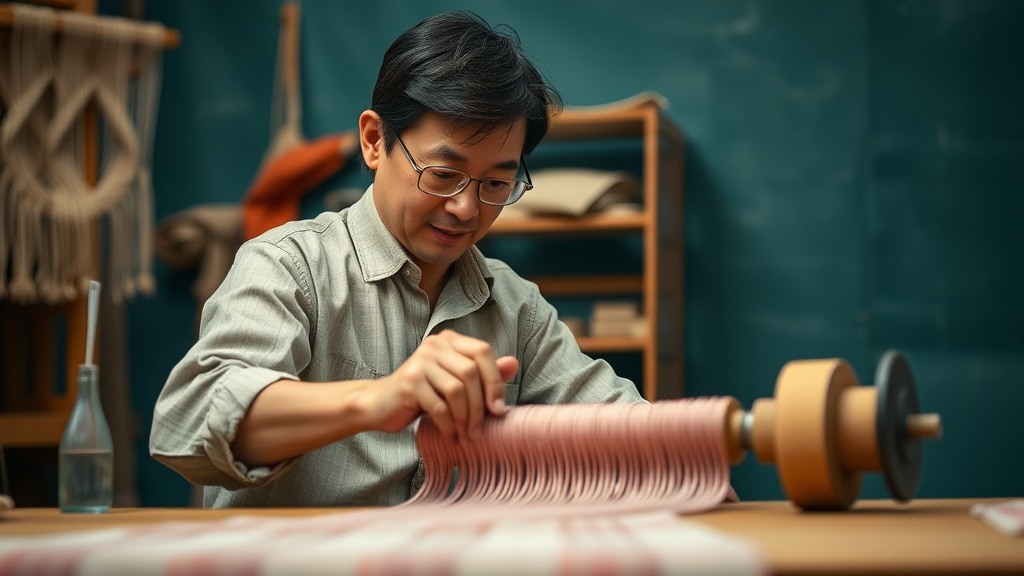
In a landscape of quick-turnaround clothing and industrial output, traditional textile artisans are discovering an novel direction—by adopting modern technology without abandoning centuries-old techniques. From traditional looms upgraded through technological design systems to plant-based colorants refined via technological advancement, artisans globally are showing that ancestral methods and modern advancement are not incompatible. This article explores how textile makers are masterfully integrating traditional approaches with contemporary tools, ensuring their ancestral skills stay dynamic, environmentally responsible, and significant for generations to come.
The Heritage of Traditional Weaving Traditions
Textile artistry constitutes one of our species’ oldest and most revered artistic traditions, with roots tracing many millennia across diverse cultures and civilizations. From the intricate silk weaving of ancient China to the vibrant tapestries of Peru and the delicate lace-making of Europe, traditional textile arts have acted as keepers of cultural identity, sacred meaning, and technological innovation. These established traditions include a wide range of techniques spanning hand-spinning, natural dyeing, weaving on traditional looms, and embroidery, each refined through generations of dedicated artisans who shared their understanding through apprenticeship and oral tradition.
The importance of time-honored textile techniques extends far beyond visual appeal; these arts capture the beliefs, histories, and sustainability practices of their communities. Artisans who maintain these practices act as cultural custodians, maintaining techniques that reflect sustainable resource management and profound environmental wisdom built up through generations. Today, as international appeal in real artisanal items keeps expanding, traditional textile makers are positioned at a turning point where their inherited techniques are growing in value for their excellence, originality, and heritage value in an increasingly homogenized marketplace.
Linking Past and Present in Textile Manufacturing
The integration of cutting-edge technology into traditional textile production marks a revolutionary shift in how artisans execute their craft. Rather than treating digital tools as dangers to authenticity, today’s weavers and dyers understand them as enablers of creative expression. This evolution allows craftspeople to extend their customer base, enhance efficiency, and ensure economic viability while preserving the fundamental skills and creative perspective that characterize their artistic legacy. The result is a thriving textile industry that respects tradition while adopting innovation.
Digital Design Combines with Hand Weaving
Digital design software has revolutionized the initial phases of textile manufacturing without diminishing the manual labor that defines traditional woven textiles. Artisans now utilize CAD programs to visualize detailed patterns, explore color palettes, and map out intricate loom configurations before working at their weaving looms. This digital support reduces trial-and-error phases, allowing textile artisans to focus their skill on the actual hand-loom work. The marriage of technical exactness and manual craftsmanship creates superior textile products, merging ancestral techniques with current design trends that resonate with modern customers.
The incorporation of digital tools has made accessible pattern design for textile craftspeople, notably in emerging markets where educational resources was previously limited. Weavers can now collaborate remotely with design professionals, share their work globally, and keep pace with market demands. Computer software allows them to document traditional patterns digitally, safeguarding heritage practices for coming generations. This technological integration reinforces communities of practice, empowering artisans to preserve market position while keeping their heritage crafts economically viable and culturally relevant in modern marketplaces.
- Computer-aided design displays complex weaving patterns accurately
- Digital color matching guarantees uniformity across multiple production batches
- Pattern documentation maintains traditional designs for future artisans
- Remote collaboration connects weavers to international design networks
- Software reduces material waste through precise pre-production planning
Artisans Driving the Innovation Wave
Visionary artisans across the globe are driving a revolutionary shift that challenges the artificial separation between conventional practices and new approaches. These artisans recognize that embracing contemporary methods need not undermine their ancestral traditions; instead, technology serves as an enabler that expands their innovative capacity. By incorporating technological solutions, eco-friendly resources, and contemporary business practices into their studios, these innovators demonstrate that weaving traditions can thrive in the digital age. Their commitment to cooperation goes further than solo practitioners, as they distribute information through online platforms, guidance systems, and worldwide partnerships, creating a vibrant ecosystem where traditional knowledge intersects advanced technology.
The achievements coming out of this movement inspire numerous emerging artisans to pursue textile craftsmanship as a fulfilling and practical career. Textile artisans of all specialties now access extensive support systems—from remote mentorships with experienced artisans to funding networks that promote responsible creation. These innovators utilize social media to showcase their work worldwide while maintaining responsible employment standards and ecological sustainability. Their commitment to preserving traditional methods while integrating contemporary approaches proves that textile artisanship constitutes not a outdated tradition, but a living, adaptive practice equipped to tackling modern issues while respecting centuries of accumulated expertise.
Upholding Traditions for Coming Generations
The protection of conventional weaving arts is critically dependent on bringing young people into the field and establishing sustainable income opportunities for artisans. Learning frameworks that integrate practical instruction and technology skills are demonstrating critical importance, allowing apprentices to acquire heritage skills while comprehending current marketplace requirements. Museums, cultural organizations, and heritage foundations increasingly partner with weaving groups to record ancestral practices, create quality standards, and develop sustainable business models that honor craftsmanship while ensuring fair compensation and skill development prospects.
As consumer awareness increases regarding responsible manufacturing and ecological preservation, traditional textile makers find themselves positioned at the forefront of a global movement toward mindful purchasing. By transparently sharing their stories, manufacturing processes, and heritage value through online channels and digital networks, artisans engage directly with audiences appreciating authenticity and heritage. This direct engagement not only creates financial backing but also inspires younger craftspeople to embrace their cultural legacy, ensuring that traditional methods continue flourishing alongside modern innovations for generations to come.
