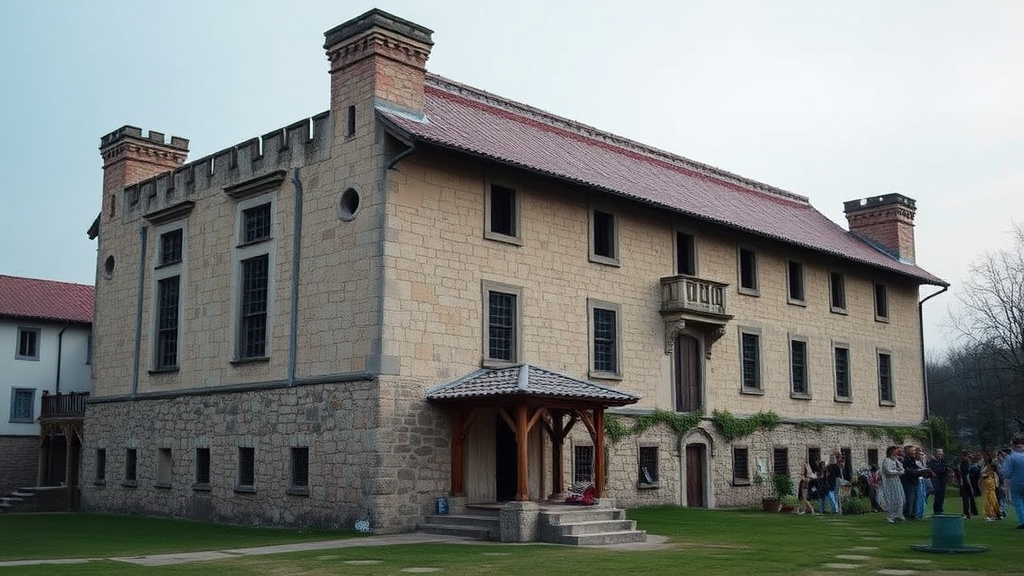
As historic structures deteriorate and heritage sites encounter unprecedented threats from climate change and urban development, heritage institutions worldwide are embracing advanced preservation tools to ensure their survival. From 3D scanning and artificial intelligence to sustainable restoration techniques, these organizations are revolutionizing how we preserve our shared past. This piece examines the innovative strategies transforming heritage conservation, demonstrating how modern science and traditional knowledge combine to protect invaluable heritage assets for generations to come.
Digital Documentation and Three-Dimensional Mapping Technology
Digital archives has transformed how heritage locations protect their precious collections for future generations. Sophisticated three-dimensional scanning technologies generate exact detailed inventories of sites and their physical components, capturing every architectural nuance and construction characteristics. These virtual reproductions serve as extensive repositories, allowing researchers and conservators to conduct remote analysis while limiting direct access impacts. By utilizing laser scanning, photogrammetry, and drone technology, institutions establish permanent digital baselines that document current conditions and monitor alterations over time, confirming essential data persists regardless of structural decay.
The uses of 3D mapping extend far beyond basic archival and storage. Digital recreations enable people globally to interact with historical locations authentically, democratizing access to heritage assets once restricted by location or protective limitations. Cultural institutions and archaeological bodies leverage these tools to create immersive educational experiences, capturing student interest through engaging online tools. Additionally, comprehensive digital models provide conservators with critical design resources, allowing them to model conservation work and forecast results before conducting hands-on restoration on irreplaceable structures.
Enhanced Availability and Community Engagement
Digital technologies transform how people engage with their cultural traditions by removing traditional barriers to access. Detailed three-dimensional models and virtual tours allow individuals worldwide to discover important locations from their residences, especially helping those with movement restrictions or geographic constraints. Educational institutions utilize these tools to integrate heritage conservation into course programs, promoting worldwide understanding and appreciation for varied cultural traditions. This wider accessibility reinforces public support for conservation projects and creates increased funding and community involvement in conservation efforts.
Engaging online tools encourage greater involvement with historical narratives and cultural significance. Augmented reality technologies display historical information onto contemporary settings, enabling visitors comprehend how sites developed over time. VR simulations immerse users back in time, recreating ancient environments and daily life within historical contexts. These innovative approaches build emotional connections to heritage sites, transforming inactive viewing into engaged education experiences that motivate emerging preservationists, archaeologists, and cultural advocates dedicated to safeguarding humanity’s collective heritage.
Community Involvement and Education Initiatives
Establishing Community Awareness and Support
Local participation has become a foundation of successful heritage conservation efforts globally. By involving local populations in conservation projects, cultural sites create a feeling of stewardship and accountability that extends far beyond heritage experts. Learning initiatives tailored to different age groups help community members grasp the cultural importance of their heritage, turning them into passionate advocates. When communities recognize the heritage and financial benefits of these sites, they become instrumental partners in protection efforts, ensuring sustainable long-term preservation through community backing and direct involvement.
Educational institutions play a crucial role in nurturing the next generation of heritage stewards. Schools collaborating with cultural sites provide immersive learning experiences that engage students in their historical roots. Interactive workshops, guided tours, and hands-on restoration projects encourage youth to pursue careers in heritage preservation and archaeological work. These programs show that heritage preservation is not merely about maintaining old structures but about creating meaningful connections between people and their past, promoting cultural pride and historical literacy that reinforce connections within communities.
Digital Platforms and Accessibility Initiatives
Contemporary cultural sites are leveraging digital technologies to democratize access to cultural treasures once accessible solely to those who could travel physically. Virtual reality experiences, online databases, and interactive digital archives allow people across the globe to discover historical sites and objects from their homes. These systems fulfill learning goals while lessening pressure to delicate locations, protecting them from high visitor volume and environmental damage. Online interaction expands the audience for cultural preservation, creating global communities of supporters who provide funding and expertise to conservation initiatives regardless of location barriers.
Inclusive accessibility programs ensure that heritage sites welcome visitors of all abilities and backgrounds. Assistive solutions, multilingual interpretive materials, and sensory-friendly experiences accommodate diverse needs while enriching the visitor experience. By eliminating obstacles to access, cultural institutions fulfill their mission to support entire populations rather than privileged segments. These accessibility-focused strategies recognize that heritage is shared by all and that diverse perspectives enhance our understanding of history, making conservation efforts more representative and socially responsible.
Cooperative Information Exchange Networks
Heritage conservation organizations actively engage in international information exchange platforms that accelerate innovation and adoption of best practices. Seminars, research partnerships, and digital tools allow professionals to share insights, discuss challenges, and work together to produce solutions to preservation problems. This cooperative strategy moves beyond geographical and institutional limits, enabling smaller organizations with limited resources to leverage advanced methods created by larger organizations. Joint digital archives document successful conservation strategies, establishing important collections of institutional knowledge that reinforce the broader heritage preservation community.
Local knowledge holders and indigenous peoples contribute irreplaceable traditional knowledge to contemporary conservation work, bridging ancient wisdom with contemporary science. Recognizing that cultural sites often hold spiritual and cultural significance exceeding their archaeological importance, institutions more often partner with descendant groups in decision-making processes. This respectful collaboration guarantees that preservation strategies respect cultural meanings and practices while benefiting from scientific knowledge. By valuing multiple knowledge systems equally, heritage organizations create approaches that are more comprehensive and culturally aware that serve both conservation goals and community needs.
Green Recovery Approaches and Climate Adaptation
Green Conservation Approaches
Modern historical preservation increasingly prioritizes environmentally responsible restoration methods that reduce environmental harm while preserving historical integrity. Conservation teams now implement sustainable materials, clean energy alternatives, and non-invasive techniques that respect historical authenticity and ecological responsibility. These practices reduce carbon footprints linked to traditional restoration work, demonstrating that historical preservation and environmental stewardship can coexist harmoniously in modern conservation practices.
Advanced technologies allow conservators to evaluate structural conditions without damaging original materials, allowing targeted interventions that increase site longevity. Biodegradable sealants, locally sourced materials, and water-saving cleaning methods demonstrate paradigm shifts in restoration philosophy. By adopting sustainable practices, heritage sites serve as models for conscientious environmental management, inspiring communities to implement conservation-conscious approaches that support both cultural treasures and planetary health.
Incorporating Climate Adaptation within Historic Preservation
Climate change presents unprecedented challenges to cultural heritage sites, requiring proactive resilience strategies that anticipate environmental threats. Conservation organizations now conduct detailed climate risk evaluations, identifying risks from water damage, thermal variations, and extreme weather events. Implementing adaptive infrastructure—including enhanced water management, reinforced foundations, and temperature-regulated preservation spaces—preserves irreplaceable artifacts while upholding historical authenticity and architectural character.
Strategic planning integrates climate science with heritage management, developing sustained safeguarding systems that adapt with environmental conditions. Sites develop detailed emergency readiness plans, establish emergency response teams, and allocate resources in monitoring systems that detect structural changes early. This forward-thinking approach ensures cultural heritage endures climate-related challenges, protecting humanity’s shared history for future generations while showcasing institutional commitment to sustainable, resilient conservation practices.
